
New Skills = Old Skills that we have often stunk at

In the Industrial era, the skills that your workforce needed were pretty simple to understand. The ability to read a clock and follow instructions, a strong back, small hands… what you had to be able to do in order to be employed followed pretty directly from the type of work you would be doing. And your employers typically asked nothing more of you, ever, especially if you were not a young, healthy white male. Most people didn’t engage their brains in their jobs, or if they did it was only to the degree necessary to complete the assigned tasks. Creativity, opinions, and problem-solving were often actively discouraged because they might throw off the entire enterprise — or make your bosses look bad.
Today, employers across a wide range of industries demand something that would have shocked 19th-century business leaders. We want them to solve problems independently, collaborate, think. And on top of that, we need to have them learn new things, almost constantly.
In terms of brain usage, it’s a quantum leap from where we were a mere three generations ago. But the systems and assumptions that structure our work have not caught up.
Today we’re looking at a few of those new skills, and tomorrow we’ll examine the challenge facing businesses and organizations: expanding skills while also trying to do the thing you’re supposed to be doing. And we’ll end the week with a benefit to help you gain one important skill: apologize.
The head, the hands and the…meta?
TL:DR Future-ready jobs will combine head and hands skills — technical knowledge with physical problem-solving ability — while meta-skills like learning how to learn, grit, and time management will be critical across all career paths. Leadership and workers should focus on learning outcomes rather than just training inputs, with 85% of frontline workers reporting they feel more prepared for an AI-driven workforce after upskilling programs.
What are the outcomes you need? Not just, did they do X hours of training, but can they now do the necessary things?
Focusing on training inputs, like when you have to go through a slide deck with random quizzes to “learn” collaboration skills or how to use an AI, is a big part of why organization leadership balks so often at training costs. We count the inputs, because that’s the easiest thing to count, but then we wonder why they don’t see the value.
The skill of persuasion? Me?
TL: DR Community professionals often focus on making requests rather than persuading members to engage, missing the critical distinction that real engagement requires mastering persuasion principles. The post emphasizes that effective community management requires understanding and implementing proven persuasion strategies beyond simply asking members to participate.
This one struck home for me in my local government consulting life, which wasn’t quite what the author was thinking about. When we deal with the public, we assume that if we simply lay out the facts, unvarnished, that we have done our job. And when it comes to community engagement in the local place context, this failure to convey a compelling invitation to participate likely results in the poor turnout we get, even when we are trying to engage people constructively.
I am not proposing that we go into the propaganda business (definitely don’t need any more of that) but understanding how methods of presentation might make the case to engage in community life more effectively could help to reverse the stagnation and cynicism that too many communities struggle with.
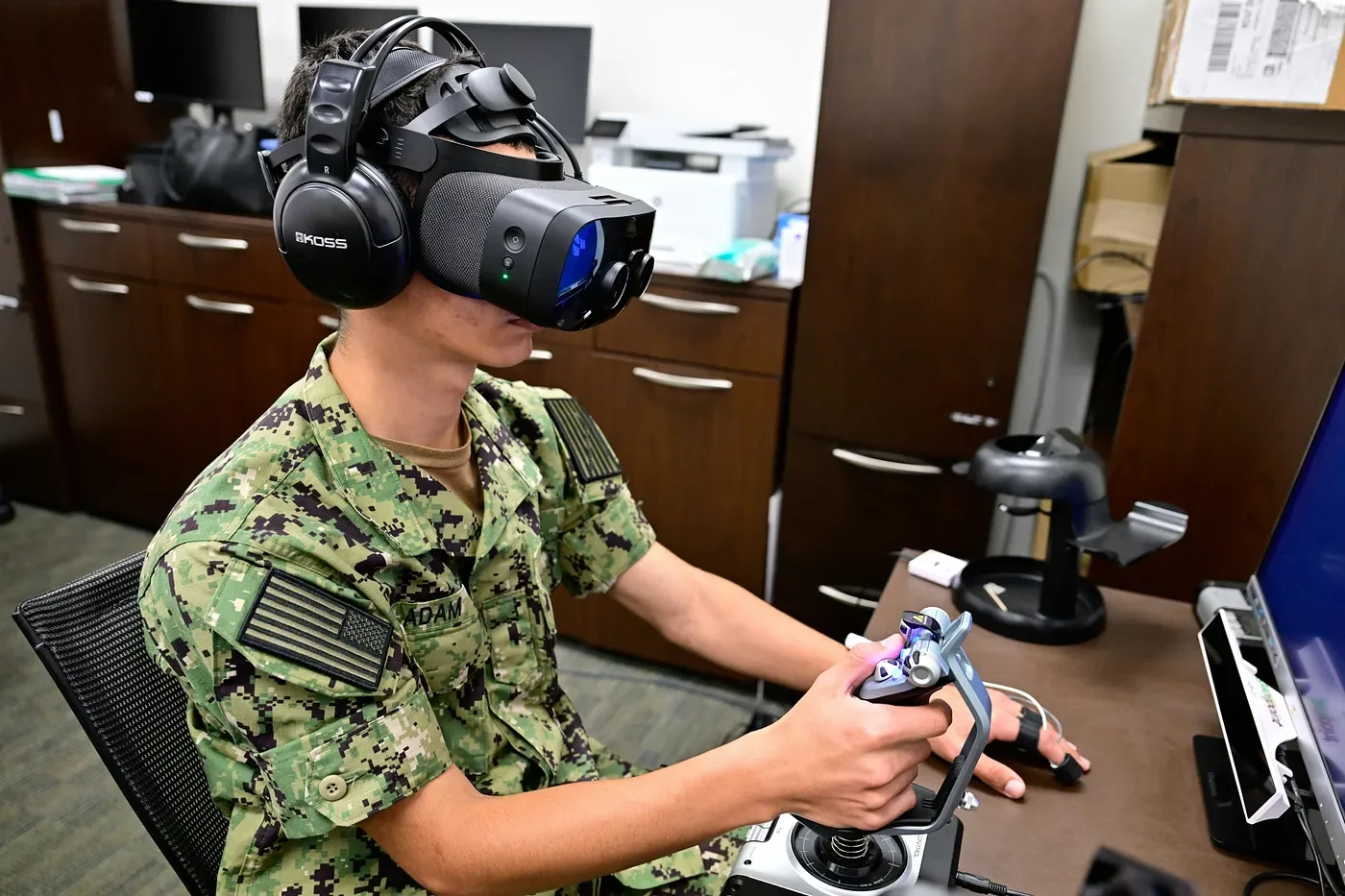
AI is changing who gets hired — what skills matter now(might not be what you think)
TL:DR Companies want workers who understand AI, yet struggle to evaluate those skills, creating tension in hiring practices despite widespread job market slowdown. Success in the age of AI depends less on pure technical expertise and more on human judgment, adaptability, and what researchers call “digital bilingualism.”
This article is a good summary of the challenge before all of us. Too many of us have been taught that we have to be a tech wizard or a human relations maven, and that there is no combination of the two. This is a pervasive aftereffect of Industrial era assumptions — the strict binary definitions, the division between the mechanical and the personal, with a thick wall in between.
Now, after imbibing that division from kindergarden on, we’re expected to have “digital bilingualism.” Who is teaching that, and how do we learn that?
👉 Buy the books
👉 Subscribe to Future Here Now
👉 Book speaking & workshops
🔗 wiseeconomy.com
📩 Subscribe: https://www.substack.com/
