
A Strategic Plan that works?
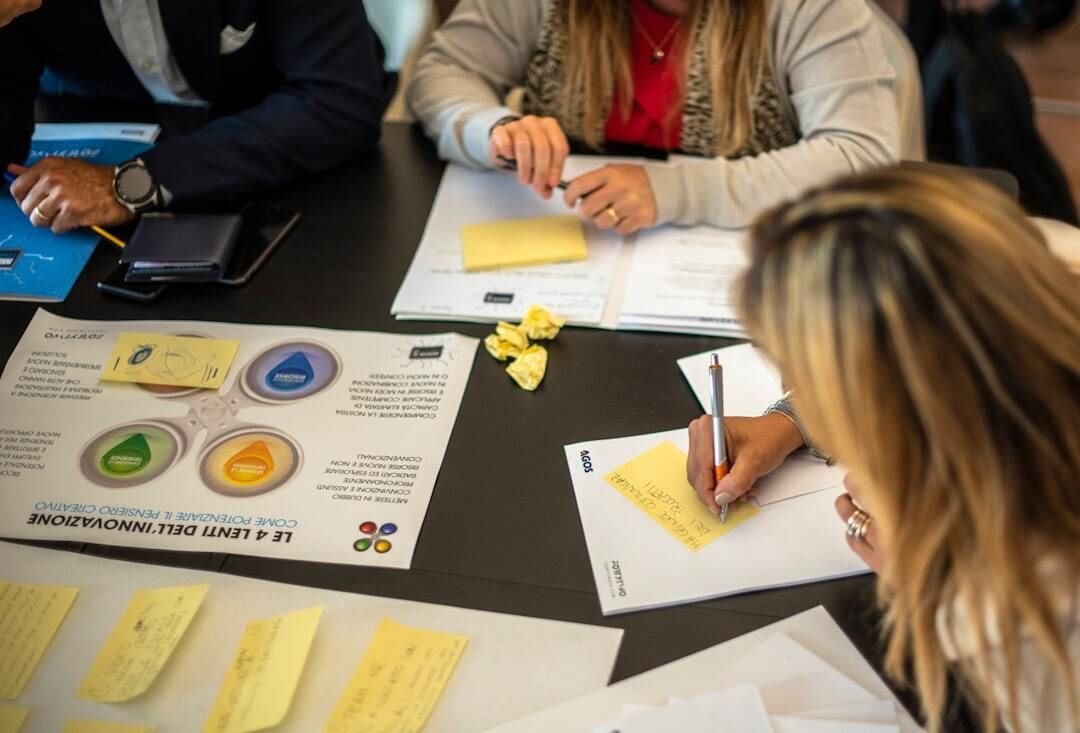
Let’s be honest: most strategic plans are destined to gather dust on a shelf because they are built in an echo chamber.
We get a handful of executives or community leaders in a room, infected with what I’ve called “design arrogance,” and we try to engineer a sterile, perfectly predictable roadmap.
The problem is, this approach assumes we can control the future by organizing our goals into neat, isolated silos. It treats a community or an organization like a predictable machine rather than what it actually is: a messy, interconnected reality full of pervasive externalities. When we build plans strictly from the top down, attempting to permanently “future-proof” ourselves against change, we don’t actually create a resilient ecosystem.
We just end up with a heavy pile of paper.
A successful strategic plan, on the other hand, ditches the rigid blueprints and embraces what it actually means to be Future Ready. It requires throwing out the tired, bureaucratic concept of managing “stakeholders” and instead focusing on the whole human. That means stepping outside the boardroom and doing the hard, unstructured work of capturing genuine insight from the frontline staff, small business owners, and everyday residents who actually live with the consequences of our decisions. It’s an acknowledgment that tomorrow is going to look profoundly different from yesterday.
You can’t build actual resilience by clinging to past habits or operating out of scarcity brain; you have to design a framework based on loose networks that are flexible enough to constantly adapt when the ground inevitably shifts.
Ultimately, the difference between a plan that changes nothing and a plan that actually gets you somewhere comes down to transparent alignment. An unsuccessful plan offers a rigid set of artificial, top-down directives; a successful one draws a clear, undeniable through-line from raw, ground-level reality directly to the choices we make every single day.
True strategic planning isn’t an exhausting event you check off a list every five years—it’s an ongoing, everyday muscle. When we prioritize broad, authentic inclusion and set rigorous priorities based on actual human needs, we stop chasing fragile, trendy fixes and start making the consistent decisions that build genuinely thriving communities.
Here are a few recent Signals that point in this direction:
The Power of Powerlessness with Michael Hecht
This piece explores the challenge of enacting long-term regional strategies when an organization lacks direct statutory power or massive financial resources[cite: 2]. It suggests that organizations can overcome this by leveraging their perceived “powerlessness” to act as neutral conveners, intentionally building the trust needed to drive collaborative policy.
The Four Biggest Obstacles To Strategic Planning
The Legacy Limitation: Old-school planning places an excessive focus on rigid financial lines and top-down edicts. When executives in vertical hierarchies try to blueprint every single scenario into a giant, hyper-detailed master plan, it alienates the staff and triggers widespread internal friction and zero operational alignment.
The Modern Alternative: Instead of chasing a utopian, rigid blueprint, organizations benefit from a flexible milestone roadmap. This approach invites frontline feedback early, assigns cross-functional owners to key objectives, and explicitly expects adjustments to be made on the fly.
How Small Towns Can Build a Strong Outdoor Economy Without Selling Out
Summary: Small towns face the strategic challenge of leveraging their outdoor recreation assets without falling into extractive, boom-bust economic cycles that ruin their character. The piece recommends treating the great outdoors as core infrastructure, carefully aligning land use and economic development to strengthen long-term community health.
This is why your strategic plan changed nothing
In this article, I explained that traditional strategic plans often fail because they are created in an “Echo Chamber” of top executives who suffer from “Design Arrogance.” To overcome this challenge, organizations must build transparent models that actively engage frontline staff and everyday residents to capture real human insight.
