
The entrepreneur's secret weapon
Don’t forget that you can access more funding opportunities for your organization and your community with the Grant Guru platform — and save 20% while you’re at it. Check out Grant Guru at www.grantguru.com, and use discount code WISEE20OFF314890 at checkout. You’ll be glad you did!
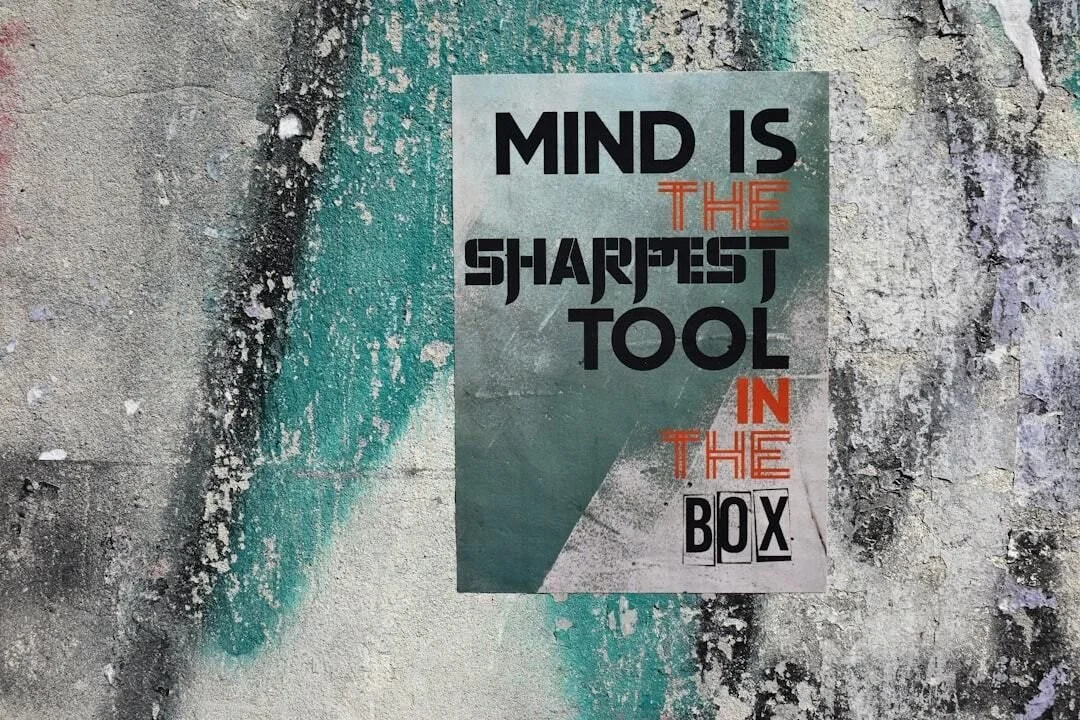
Entrepreneurship is not about mechanics of business—the spreadsheets, the legal structures, the business plans. The most important tool in the entrepreneurial toolkit isn’t accounting or marketing. It’s the entrepreneurial mindset. And whether you are involved with business entrepreneurship or not, that entrepreneurial mindset has never been more essential - for everyone - than it is today.
In a world that shifts beneath our feet every Tuesday, the ability to adapt isn’t just a “soft skill.” It is a fundamental behavioral framework, a way of seeing that turns a messy problem into a strategy for action. At its core, entrepreneurship is the mental agility to recognize that disruption is rarely an ending; more often, it’s a hidden opportunity waiting for someone with the clarity to unlock it.
For the under-resourced entrepreneur, this mental pivot is even more critical because the legacy systems we’ve inherited were rarely built with them in mind.
When you’re operating without the traditional safety nets of capital access or institutional backing, change can feel like a threat, but it is actually the only tool powerful enough to break through the status quo. Adapting to change means learning how to dance with the dinosaur—refusing to be crushed by the weight of outdated, rigid practices and instead finding the gaps where real innovation can take root.
It’s about building a personal leadership capacity that values agility over tradition, allowing those who have been marginalized to navigate around the systemic barriers that have historically kept them in place.
Ultimately, we have to stop treating entrepreneurship as a solo act of survival and start seeing it as a systematic practice of community stewardship. When we teach the skill of adaptation, we aren’t just helping one person keep their head above water; we are building the resilient infrastructure that our local economies desperately need to thrive.
By treating change as a springboard rather than a barrier, we empower creators to build enterprises that don’t just react to the future, but actively help shape it. This is how we move from a mindset of scarcity to a practice of abundance, turning the inevitable chaos of a changing world into the foundation for a more equitable, vibrant community wealth.
Unlock Your Inner Entrepreneur
Gary Schoeniger deconstructs the entrepreneurial mindset, not as a business degree requirement, but as the essential behavioral framework we all need to thrive in a world that refuses to stop changing. By teaching people to view every problem as a hidden opportunity, we can unlock the dormant potential in our communities that our old, rigid systems have far too often ignored.
Teaching the Dinosaur to Dance
Donna Kennedy-Glans offers a much-needed roadmap for the “dinosaurs” of our legacy organizations, showing how leaders can pivot away from business as usual and toward active stewardship. It’s a call to build the personal leadership capacity required to redesign our enterprises for a future that demands agility, integrity, and a willingness to dance with constant disruption.
A Theory of Why Arts Entrepreneurship Matters
Jason White challenges the arts community to move beyond narrow definitions and embrace a systematic practice of innovation that treats change as a springboard rather than a barrier. His theory provides the pedagogical pivot necessary to teach aspiring creators how to navigate evolving markets and build the resilient infrastructure our local economies desperately need.
