
Why are we building Smooth Cities
In his 2023 book Smooth City, René Boer puts a name to a sensation many of us have felt, but struggled to articulate: the creeping “smoothening” of our urban lives. You encounter it when you realize the gritty, unpredictable street corner where you used to find the best late-night tacos has been replaced by a polished glass storefront and a neatly fenced off outdoor dining area.
Boer argues that this isn’t just about gentrification; it’s a global shift toward a city that is scripted, sterile, and obsessed with a very specific kind of “perfection.” To Boer, the Smooth City is the ultimate hierarchy of control—a place where efficiency and surveillance are sold as the only ways to stay safe.
But there’s a difference between a system that is “safe” because it is controlled and a system that is “safe” because it is resilient.
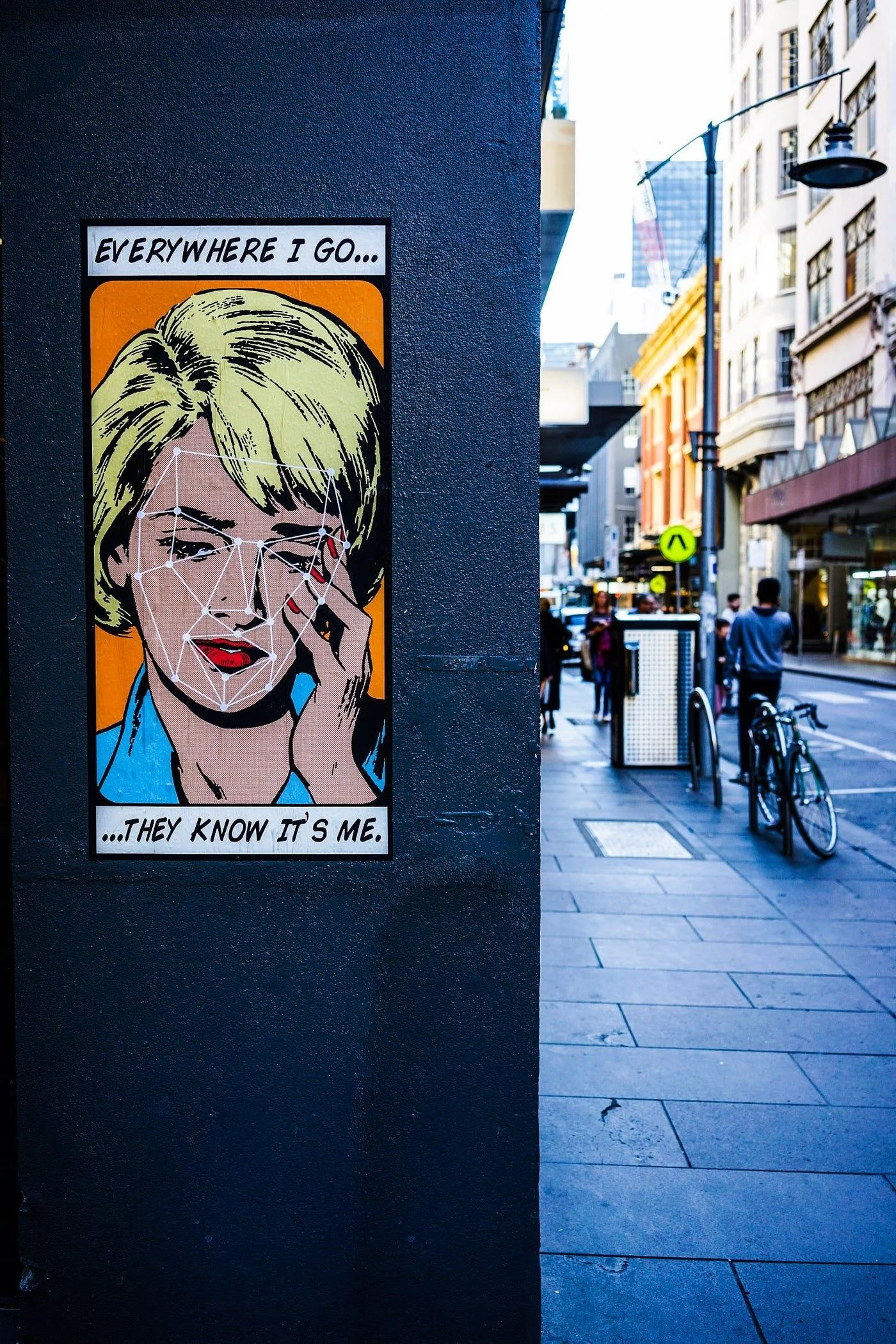
The Smooth City offers a top-down safety—the safety of the gated community, the “theme-park” zone, and the constant digital eye. It’s a safety that works as long as you conform to the script and have the capital to pay for admission. Yet, as Boer points out, this sterile environment erodes the “emancipatory potential” of the city. It removes the friction, the “dysregulation,” and the messy human interactions that actually allow for democratic growth and collective agency. And it threatens, often physically, anyone who doesn’t look like they belong there.
The “dysregulated city,” by contrast, offers a different kind of safety—one that feels more like a hive than a hierarchy. In these spaces, safety isn’t provided by a camera; it’s provided by the fact that you are known by your neighbors and that the space belongs to the community rather than a corporate landlord. This is the safety found in porosity: the ability for a neighborhood to respond to market shocks, shelter diverse cultures, and allow space for experiments.
Boer acknowledges that the desire for clean, functional streets is understandable, but he warns that when we trade porosity for smoothness, we lose the very “social capital” that makes a local economy thrive. We trade a resilient, information-rich ecosystem for a fragile, top-down monoculture.
Ultimately, Smooth City is a call to “unsmooth” our thinking about what makes a community successful. We’re invited to stop chasing the “seamless experience” and start making room for friction — people who look unfamiliar, places that show their wear and tear, activities that don’t fit a majority group’s norm. We’ve been taught to fear what’s unfamiliar — a modern reinforcement of the old reflexes of weak and hairless Ice Age humans. And while we might think that fear is keeping us safe, it may be costing us real growth, insight and opportunity.
Perhaps we should consider that the safest city may not be the one with the most cameras. It might be the one where people are empowered to reach through and help one another.
