
Small business churn is NOT inevitable. We have to do better
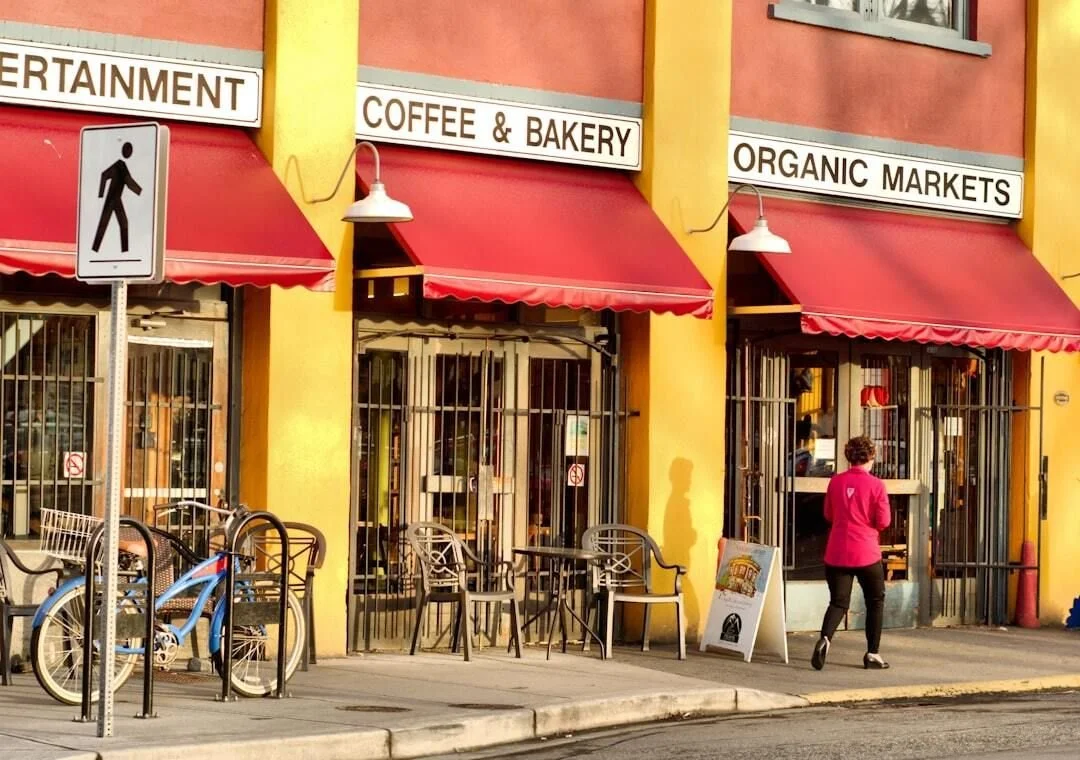
We have a bad habit: we treat the constant, painful cycle of small business openings and closings—what academics and bankers casually call “churn”—as if it’s an immutable law of nature, like gravity or the tides. We shrug our shoulders, look at the quarterly statistics, and tell ourselves that this “creative destruction” is just the price of a dynamic market.
But behind every boarded-up storefront or orphaned web site is someone who took a terrifying leap, put their life savings on the line, and ended up profoundly dislocated.
High churn isn’t a sign of a vibrant, healthy market; it’s a symptom of a community trying to run its local economy like a machine, assuming that if we throw a few bits into one end, fully functioning long-term businesses will come out the other.
If we shift our mindset, we begin to realize that this endless cycle of burning through people’s dreams and capital is not a fact of life—it’s a design failure.
The truth is, high churn is a policy and community choice, not an inevitability.
Most local economies suffer from what I call the “Pile Problem”—we throw a disorganized heap of resources, classes, pitch nights, and generic business accelerators at hopeful entrepreneurs and expect them to survive like cockroaches scrambling for crumbs. We celebrate the sheer volume of “new business starts” as a victory, while quietly ignoring the quiet tragedy of the quiet closings a year or two later because the support structure was missing.
But a real ecosystem isn’t just a pile of ingredients tossed together on the ground; it’s a complex, interconnected web where the success of one part directly nourishes the next. When we leave local entrepreneurs to survive by their wits, or navigate our mismatched “piles” of resources alone, the only ones who survive are those who already have the safety nets of privilege, time, and prior connections.
We can—and must—do better than assuming local business is just about survival of the fittest.
To lessen this wasteful churn and build a future-ready local economy, we need to implement three practical shifts.
First, we must transition away from throwing disconnected “piles” of programs at people and instead build curated, interconnected pathways of support that guide diverse business owners through different stages of their growth.
Second, we have to practice deep, empathetic community listening—not treating local business owners as passive “stakeholders” to be managed, but as active partners whose actual, day-to-day barriers we need to understand and dismantle.
Finally, we must stop obsessing over the shiny, short-term glamour of “new starts” and redirect our funding and policy toward supporting business adaptation, resilience, and local succession planning. When we treat local businesses as assets to grow and regenerate rather than disposable units to construct and replace, we build communities where everyone can actually thrive.
Read more about this topic in Everybody Innovates Here, Della’s groundbreaking book on rethinking how innovative ecosystems can actually foster better businesses.
Booking talks and workshops for 2026 and 2027 now!
